Blog
EPBD Directive and Home Batteries: What Does It Mean for You?
The revised European EPBD directive obliges member states to take action on energy storage in buildings. What changes for Dutch homeowners?
Patrick2 March 20266 min. read
Back to blogStart quiz
What is the EPBD directive?
The Energy Performance of Buildings Directive (EPBD) is a European directive that obliges member states to improve the energy performance of buildings. The most recent revision — EPBD IV, adopted in 2024 — sets ambitious targets for 2030 and 2050 and introduces for the first time specific obligations regarding energy storage and charging infrastructure in homes.
For Dutch homeowners, this may sound abstract, but the consequences are concrete: new homes will soon have to meet higher energy performance requirements, and the EPBD actively encourages the integration of home batteries as part of the building-integrated energy system.
The key EPBD IV obligations at a glance
The revised directive contains various obligations that directly or indirectly affect home batteries. The key points:
- NZEB standard for new builds: all new buildings must meet the 'nearly zero-energy building' standard from 2028 onwards, which strongly encourages energy storage
- Minimum energy performance for existing buildings: homes with label F or G must be upgraded to at least label E by 2030 (rental) and 2033 (owner-occupied) respectively
- Smart Readiness Indicator (SRI): buildings are assessed on their ability to respond to energy prices and demand — home batteries score highly on the SRI
- Charging infrastructure mandatory: new and renovated homes with parking space must be prepared for EV charging — ideally combined with a home battery
- Subsidy obligation for member states: the Netherlands is obliged to offer national support programmes for sustainability improvements, including energy storage
What does the EPBD mean for existing homes in the Netherlands?
The greatest impact of EPBD IV for the Dutch lies in the minimum requirements for existing homes. Label F and G homes must be compulsorily renovated. This creates a direct link with home batteries:
Which home battery suits you?
Take our free quiz and find out in 2 minutes.
Energy label improvement and battery integration
A home battery alone does not directly improve the official energy label, because the NTA 8800 calculation method (the Dutch determination method) primarily factors in insulation, heating system and generation. However, the EPBD encourages an integrated package: those who renovate for a better label anyway can simultaneously integrate a battery as part of a complete solar power + storage system. This improves the payback period and increases self-consumption to 70–85%.
Smart Readiness Indicator (SRI) as a future selling point
The SRI is expected to become mandatory from 2026–2027 for the sale and rental of larger buildings, and eventually for homes as well. A high SRI score — where a home battery with dynamic charging weighs heavily — will become a selling point just like a good energy label.
How to prepare as a homeowner?
You do not need to take immediate action because of the EPBD, but the direction is clear. These are the smartest steps you can take now:
- Check your energy label: visit ep-online.nl to see your current label and whether you fall into the 'at-risk category' (F/G)
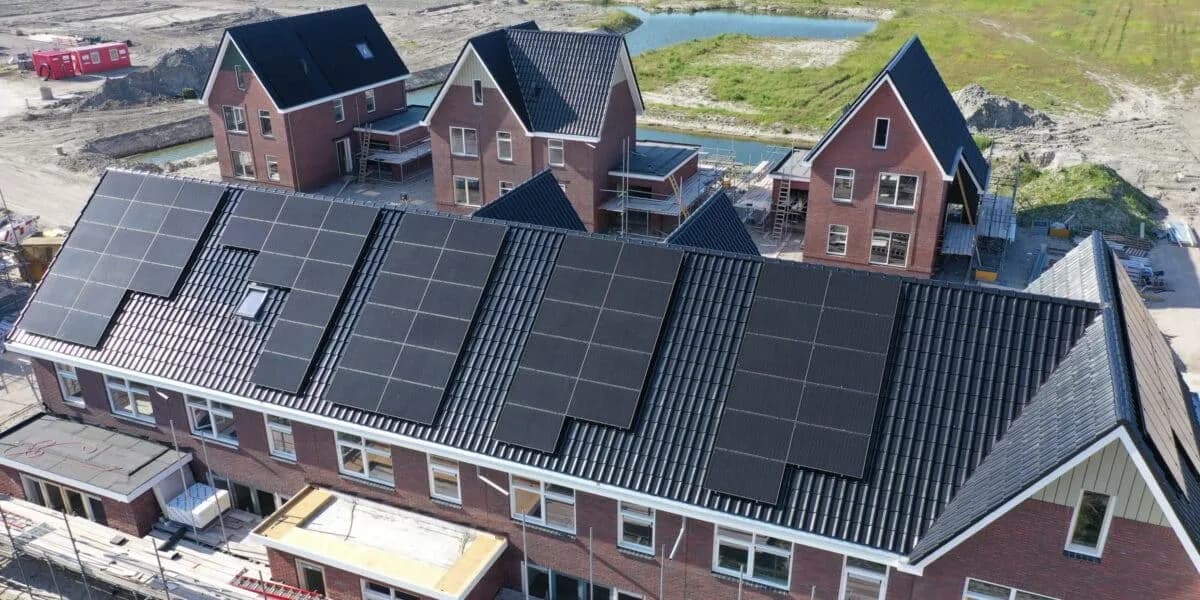
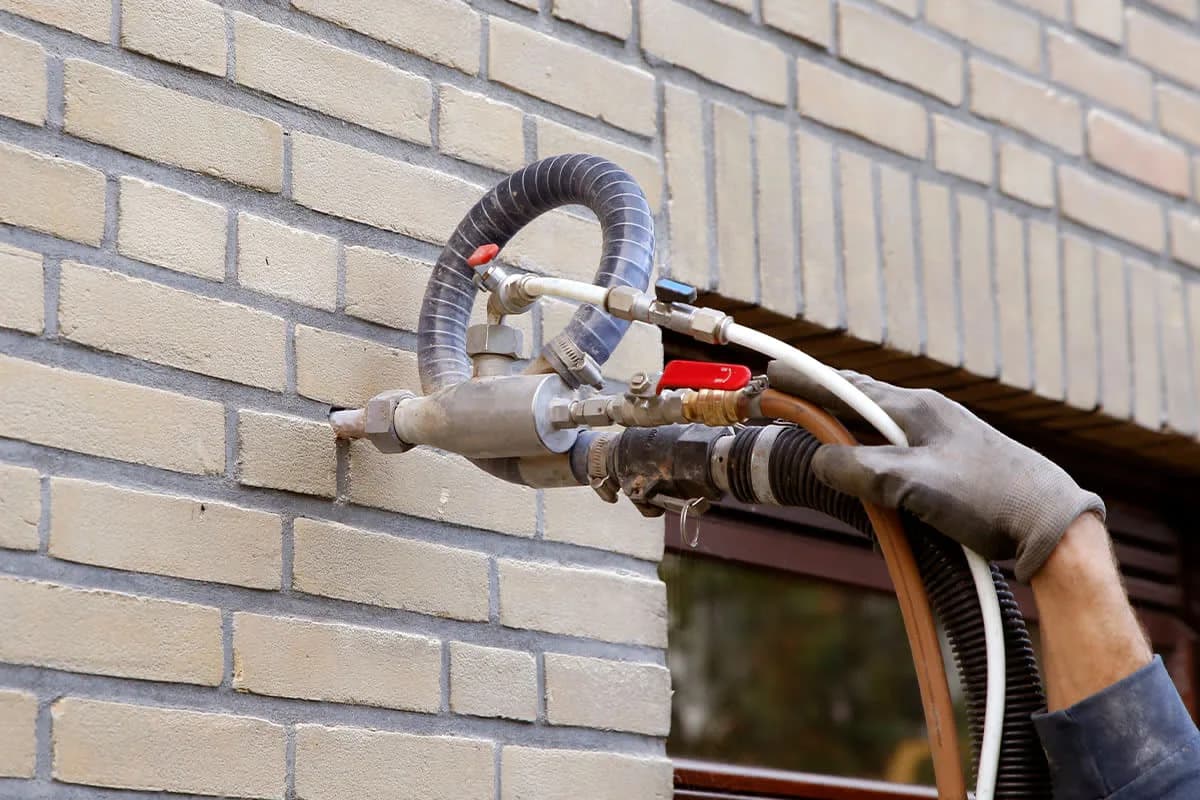
- Plan an integrated renovation scenario: insulation + heat pump + solar panels + home battery = maximum impact on both label and energy bill
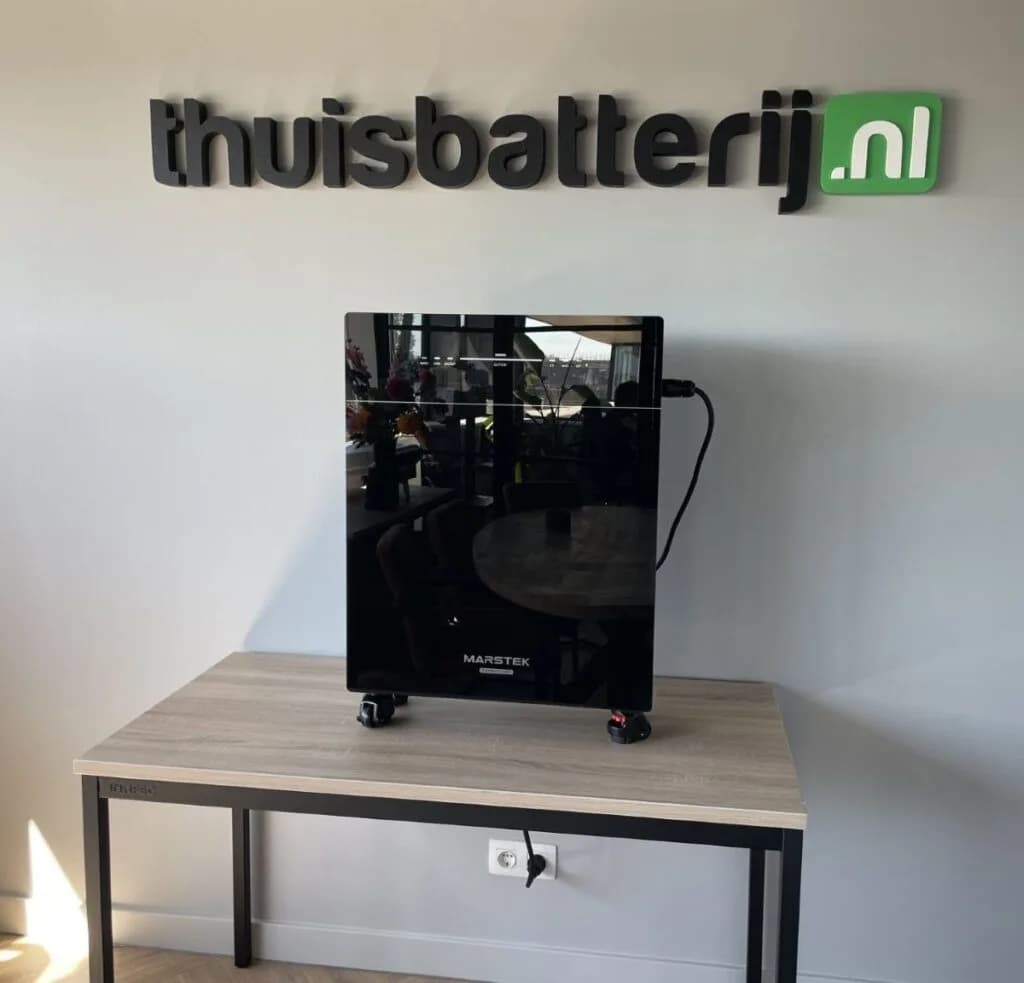
- Invest in a home battery now: the net metering scheme ends by 2027, and battery prices are at historic lows. The combination of EPBD incentives and subsidies makes now the ideal moment
- Keep an eye on the SRI: systems that already support dynamic charging (such as Anker SOLIX X1 or Huawei LUNA 2000) will automatically score highly on the future SRI assessment scale
EPBD and subsidies: what is available in the Netherlands?
The EPBD obliges the Netherlands to offer financial support for sustainability improvements. Currently, the relevant schemes for home battery owners are:
The ISDE (Investment Subsidy for Sustainable Energy) covers heat pumps and solar water heaters, but not separately purchased home batteries. Home batteries combined with solar panels benefit from the 0% VAT scheme (when installed on homes). The expectation is that EPBD implementation will lead to expansion of national support schemes specifically for energy storage — similar to how Germany (KfW), Austria and Belgium already have specific battery subsidies.
Conclusion: EPBD strengthens the business case for home batteries
The EPBD directive is more than bureaucratic regulation. It is a structural European push towards smart, energy-storage-enabled buildings. For Dutch homeowners, this means that home batteries — especially in combination with solar panels and a heat pump — are increasingly becoming the norm.
Want to know how to optimally integrate a home battery into your renovation plan with an eye on EPBD requirements and the SRI? Contact HES for independent advice.
Related Articles
Continue reading about home energy
Ready to order?
Browse our complete range of home batteries with the best value for money.