Blog
Peak Shaving with a Home Battery: Avoid Peak Load
Paying a high grid operator tariff for peak consumption? With peak shaving, you lower your maximum power peak and save hundreds of euros per year.
Patrick2 March 20267 min read
Back to blogStart quiz
What is peak shaving and why is it relevant?
Peak shaving — also known as peak load limiting — is a strategy in which you deliberately cap the maximum power draw from the grid at any given moment. Power peaks are costly: grid operators charge a capacity tariff based on your highest consumption during the billing period, in addition to energy costs. Those who avoid peaks save significantly.
In the residential market, peak shaving was long reserved for businesses. But with the rise of smart home batteries, dynamic energy tariffs, and the approaching end of the net metering scheme in 2027, it is becoming increasingly relevant for households as well — especially as grid congestion in the Netherlands continues to grow.
How does peak shaving work in practice?
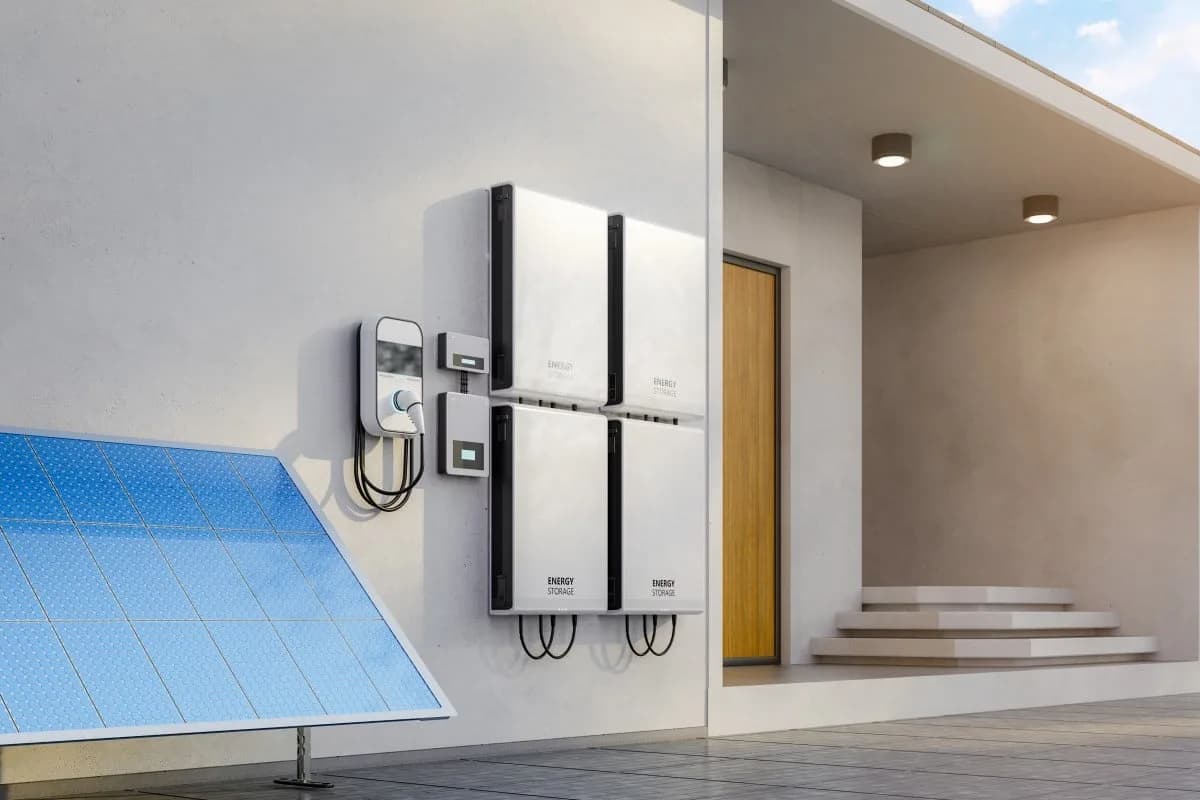
A home battery that supports peak shaving continuously monitors the household's power draw via a smart meter or current clamp. As soon as consumption threatens to exceed a set threshold, the battery kicks in and supplies additional power — so that the peak demand from the grid never exceeds the agreed level.
This works in real time: the battery responds within milliseconds. Modern systems such as the Anker SOLIX X1 or Huawei LUNA 2000 have built-in peak shaving functions that can be configured via the app. You simply set: "maximum grid draw: 5 kW" — and the system handles the rest.
What situations lead to power peaks?
In a typical household, the biggest consumers are the cause of peaks. When multiple appliances are switched on simultaneously, the power draw rises rapidly:
- Induction hob: 3,000 – 7,000 W at full power
- Electric boiler / heat pump: 2,000 – 5,000 W during the heating phase
- Tumble dryer: 2,000 – 4,000 W during the heating element cycle
- EV charger: 3,700 – 22,000 W depending on charging speed and phase
Which home battery suits you?
Take our free quiz and find out in 2 minutes.
Home battery as a peak shaver: what are the benefits?
A home battery that actively manages peak shaving offers several advantages for homeowners dealing with higher capacity tariffs or grid congestion:
Lower energy bill by reducing the capacity tariff
In Belgium, the capacity tariff (quarter-hour peak) is already actively charged to residential consumers. In the Netherlands, the discussion about a similar system is growing. Those who already apply peak shaving are prepared for future tariff structures. Simulations show savings of €100 – €400 per year for an average household with high simultaneous consumption.
Contributing to reduced grid congestion
The Netherlands is facing increasing grid congestion. By limiting your own peak load, you reduce pressure on the local electricity grid. Some grid operators are now even offering compensation for households that can flexibly limit power draw through so-called congestion management programmes.
Which home batteries support peak shaving?
Not all home batteries offer automatic peak shaving. It requires real-time grid measurement and fast battery control. The following systems support this function:
- Anker SOLIX X1 — advanced energy management with peak shaving mode via the SolarLink app
- Huawei LUNA 2000 — FusionSolar app with configurable power ceiling per phase
- Sungrow SBR/SBH — iSolarCloud with anti-reflux and peak control function
- BYD Battery-Box Premium HVS/HVM — via certified inverters with peak shaving support
- SolarEdge Home Battery — via the SolarEdge Home Energy Management system
Setting up peak shaving: practical steps
Most modern home battery systems allow you to configure peak shaving via an app or web portal. The procedure varies by brand, but the basic steps are virtually universal:
1. Connect your battery to the smart meter (P1 port or CT clamp). 2. Open the associated app and navigate to Energy Management or Power Limiting. 3. Set the desired maximum grid draw (e.g., 5 kW or 6 kW). 4. Activate peak shaving mode. 5. After one week, check whether peaks are actually being flattened via the consumption report.
Conclusion: peak shaving increasingly relevant for households
Peak shaving is no longer just for large businesses. With the growing popularity of EVs, heat pumps, and induction hobs in Dutch households, power peaks are becoming a real issue. A home battery with a peak shaving function is the smartest way to optimise your energy bill and prepare for the energy tariffs of tomorrow.
Considering a home battery with peak shaving? At HES, we're happy to advise you on which system best suits your situation. Schedule a free consultation and discover how much you can save.
Related Articles
Continue reading about home energy
Ready to order?
Browse our complete range of home batteries with the best value for money.