Technical Guide
Hybrid Inverter: The All-in-One Solution for Your Home Battery
A hybrid inverter combines solar panels, home battery and grid connection in one device. Discover how it works, what it costs and when it is the smartest choice.
Patrick4 March 20269 min read
Back to blog
Start quiz
What is a hybrid inverter?
A hybrid inverter — also known as an all-in-one inverter — combines three functions in one device: converting solar power (DC) to alternating current (AC), controlling the home battery, and managing the grid connection. This replaces both the traditional string inverter and a separate battery inverter.
For those installing a new system or upgrading an existing installation, the hybrid inverter is typically the technically superior and cost-efficient choice. In this article, we explain why, and what the alternatives are.
How does a hybrid inverter work?
The hybrid inverter acts as the energy brain of your installation. The device decides at every moment what happens with the available energy. The decision hierarchy is as follows:
- Priority 1: Use solar power directly for household consumption
- Priority 2: Store surplus in the home battery
- Priority 3: Deploy battery when household consumption exceeds solar production
- Priority 4: Draw from the grid when the battery is empty (or feed back when the battery is full)
Hybrid inverter vs traditional inverter + battery inverter
The two common configurations are compared below on the most relevant criteria:
| Criteria | Hybrid inverter | String + battery inverter |
|---|---|---|
| Purchase costs | Lower (1 device) | Higher (2 devices) |
| Installation | Simpler | More complex, more cabling |
| Efficiency | Higher (fewer conversion losses) | Lower (double conversion) |
Which home battery suits you?
Take our free quiz and find out in 2 minutes.
The most popular hybrid inverters in 2026
In our range, the following hybrid inverters are most in demand, ranked by popularity:
Anker SOLIX X1 (all-in-one)
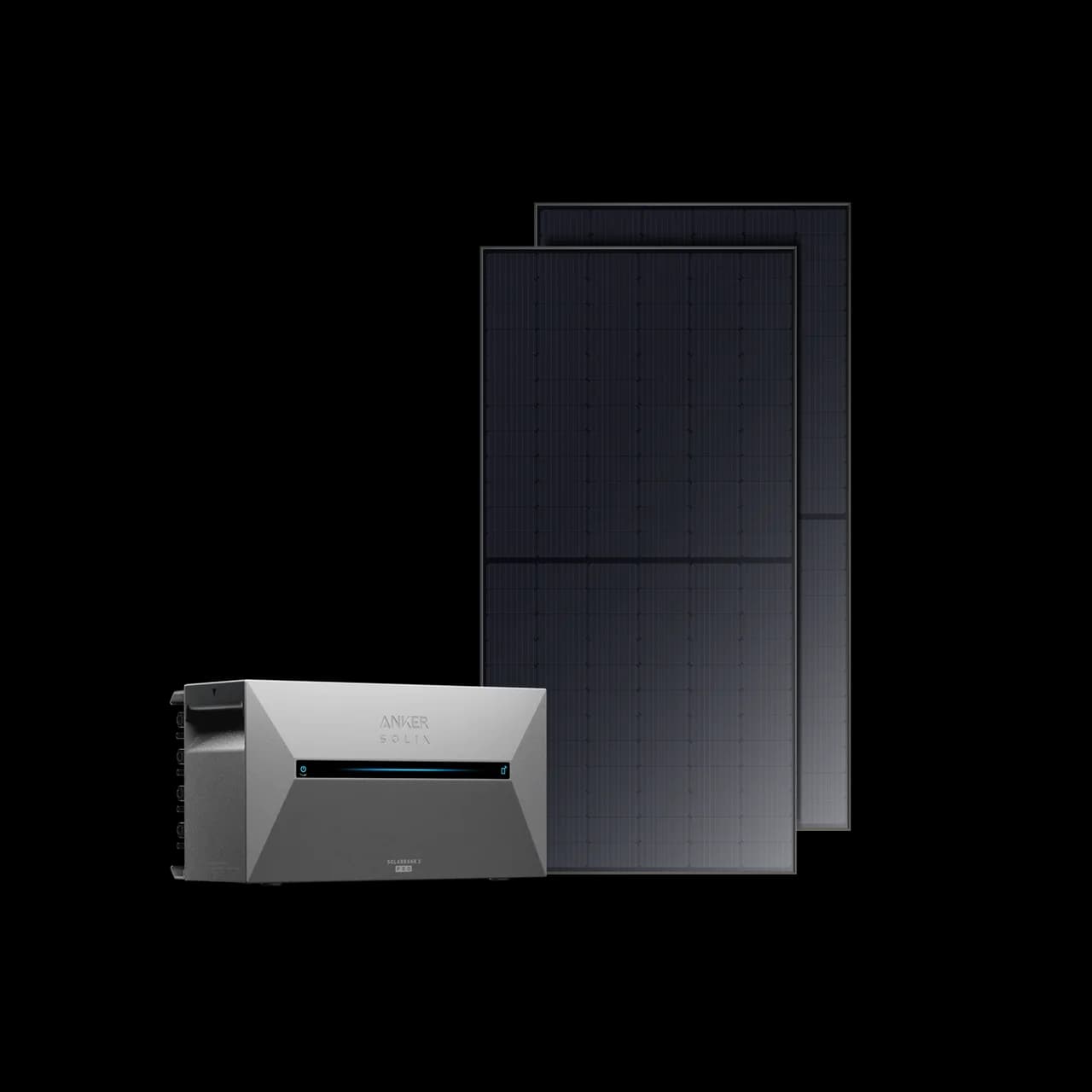
The Anker SOLIX X1 is a fully integrated system with hybrid inverter, battery (5-20 kWh) and EMS in one enclosure. Available in single-phase and three-phase versions. Particularly suited for new builds or complete installations. Installation is simpler than separate components and there is only one app for monitoring.
Huawei SUN2000 hybrid inverter
The Huawei SUN2000 is a three-phase hybrid inverter compatible with the Huawei LUNA 2000 battery modules. The system is scalable from 5 to 30 kWh battery capacity. The FusionSolar app provides excellent monitoring and AI-driven energy optimisation.
Solis hybrid inverter
The Solis S6-EH1P and Solis S6-EH3P (single-phase and three-phase) are affordable hybrid inverters compatible with various battery brands, including Pylontech and Dyness. A good choice if you want to combine a specific battery brand with a cost-effective inverter.
When should you choose a hybrid inverter?
A hybrid inverter is the best choice in the following situations:
- You are installing new: start with the optimal configuration straight away instead of replacing inverters later
- Your existing inverter needs replacing: upgrade to hybrid and add a battery at the same time
- You want maximum efficiency: hybrid inverters have fewer conversion losses than two separate devices
- You want backup power: most hybrid inverters have a built-in EPS or backup function
Conclusion
A hybrid inverter is in virtually all cases the smartest choice for a modern home battery system. It simplifies installation, reduces costs and increases efficiency. The additional cost compared to a separate string inverter is recouped through higher system efficiency and lower installation costs.
Request our free advice for a personal system configuration based on your situation, capacity and budget.
All-in-one hybrid system?
Our advisors configure the optimal hybrid inverter + battery combination for your home.
Related Articles
Continue reading about home energy
Ready to order?
Browse our complete range of home batteries with the best value for money.